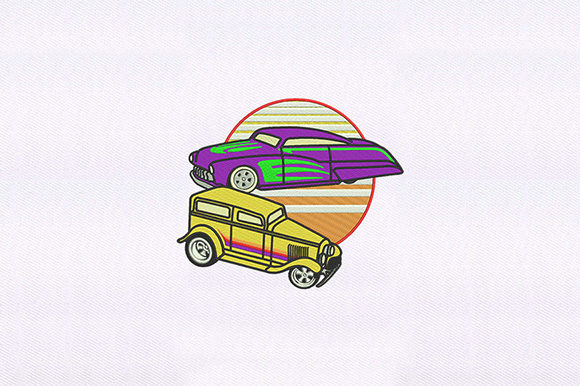
Die Cast Toy Cars Design for Boutique Apparel
As an embroidery designer constantly scouting for fresh assets to elevate boutique collections, I approach every new machine embroidery design with a critical eye toward production viability and market appeal. When evaluating the Die Cast Toy Cars Design available on Creative Fabrica, my immediate focus is not just on the digital aesthetic but on how these stitches will translate onto physical garments for a modern apparel line. This review breaks down the practical application of this design for shop owners, Etsy sellers, and creative entrepreneurs looking to expand their inventory with high-quality, nostalgic motifs.
Visual Personality and Stitching Mood
The first impression of the Die Cast Toy Cars Design is one of structured nostalgia. Unlike cartoonish or overly simplified vehicle clip art, this design carries a weight and precision that mimics the actual feel of metal die-cast toys. For a boutique brand, this distinction is vital. The visual mood strikes a balance between playful and premium, making it suitable for both children’s wear and adult streetwear that leans into vintage aesthetics. The lines appear defined rather than sketchy, suggesting a digitizing style that prioritizes clean edges and solid coverage.
This level of detail implies a specific stitching personality. It feels classic and collectible rather than disposable. When planning a collection, this visual strength allows the design to serve as a standalone statement piece on a chest placement or as part of a larger thematic grouping on the back of a garment. The design avoids looking too juvenile, which opens up marketing opportunities for "mommy and me" matching sets or retro-inspired unisex hoodies. For an Etsy seller, this versatility means one digital embroidery file can service multiple customer demographics without requiring significant modification.
Performance Across Garment Types
In my experience preparing samples for online shops, fabric choice dictates success. The Die Cast Toy Cars Design shows immense promise for sweatshirt embroidery and fleece hoodies. These stable, medium-to-heavyweight fabrics provide an excellent foundation for detailed machine work. On a neutral cream or heather grey sweatshirt, the design’s likely color blocks will pop, creating a cozy yet polished look ideal for seasonal lifestyle photography. The texture of French terry or cotton fleece complements the solid fill areas often found in toy car digitizing, resulting in a professional finished product.
For lighter applications like t-shirts or summer tops, careful consideration is necessary. While the design works beautifully on denim jackets and canvas tote bags due to their rigidity, lightweight knits require more preparation. If you intend to use this for a hoodie design on performance blends or thin cotton, the stitch density must be managed to prevent puckering. However, on structured items like oversized denim or heavy cotton tees, the Die Cast Toy Cars Design maintains its integrity, offering that crisp, commercial-grade appearance that builds buyer trust.
Tote bags and accessories also present a strong use case. The rigid nature of canvas allows the intricate details of the car design to shine without the distortion risks associated with stretchy apparel. This makes the design a dual-threat asset: perfect for both wearable custom apparel and complementary merchandise, helping small shop owners maximize the return on their digital assets.
Strategic Placement and Production Caution
While the Die Cast Toy Cars Design is versatile, experienced decorators know that placement is everything. For a left-chest logo placement on a polo or hoodie, verify the physical dimensions against your hoop size. Detailed car designs can sometimes be denser than expected; shrinking them too small may cause thread breaks or loss of definition in wheels and grilles. Always measure the design in your software before hooping.
Ribbed fabrics and highly textured surfaces pose a challenge for any detailed embroidery file. If you are stitching on ribbed cuffs or vertical waffle knits, the ribs can swallow fine details. In these scenarios, I recommend using a water-soluble topping to keep the stitches sitting on top of the fabric texture. Similarly, when working with dark garments, ensure your thread colors offer sufficient contrast. A dark blue car on a navy sweatshirt might look subtle in digital mockups but disappear entirely in person. Test high-contrast outlines or metallic threads to maintain visibility and visual impact.
Stretchy fabrics demand respect. Before running a full production batch of baby onesies or stretchy tees, test the design on scrap fabric of identical composition. Check if the stabilizer choice adequately prevents tunneling. A cut-away stabilizer is generally superior to tear-away for knit garments featuring this type of design, as it provides permanent support against the pull of the stitches during washing and wearing.
Enhancing Brand Value and Customer Engagement
In the competitive landscape of handmade goods, perceived value drives sales. Using a well-digitized asset like the Die Cast Toy Cars Design signals professionalism. Customers recognize quality; they can distinguish between a flat, poorly registered stitch-out and a dimensional, precise embroidery job. By selecting designs that mimic the tactile quality of real objects, you reinforce your boutique brand identity as a curator of premium goods.
Furthermore, this design supports effective marketing. Because the subject matter is distinct and recognizable, it photographs exceptionally well for printable mockups and social media graphics. Clear, thematic imagery helps with SEO and product recognition on platforms like Etsy. When customers search for specific aesthetics—like "retro car sweatshirt" or "vintage toy embroidery"—having a design that accurately reflects those keywords increases engagement. Consistency in design quality across your shop also fosters repeat business; buyers who trust your execution on one item are likely to purchase again.
Essential Designer Notes for Success
Before adding the Die Cast Toy Cars Design to your commercial lineup, adhere to these professional best practices to ensure safety and quality:
- Verify Licensing: Always review the specific license terms on the Creative Fabrica product page. Confirm whether the license covers commercial use for finished physical products versus selling the digital file itself. Never assume usage rights.
- Check File Compatibility: This product includes formats such as PES, DST, JEF, VP3, and XXX. Ensure your machine reads one of these native formats to avoid conversion errors that could alter stitch paths or density.
- Test Stitch Density: Run a sample on your target fabric. If the design feels bulletproof or stiff, consider reducing density in your editing software or switching to a lighter weight thread (e.g., 60wt for details) to improve drape and comfort.
- Validate Hoop Requirements: Do not guess the size. Open the file in your software to confirm the exact dimensions. Ensure you have adequate clearance in your hoop to prevent needle strikes or frame burns.
- Thread Color Planning: Create a physical thread chart match. Screen colors rarely match rayon or polyester thread perfectly. Document your successful color combinations for future reorders to maintain visual consistency across batches.
- Stabilizer Protocol: Match stabilizer weight to fabric weight. For heavy sweatshirts, a medium cut-away is standard; for lightweight knits, a soft mesh cut-away prevents show-through while maintaining stability.
The Die Cast Toy Cars Design represents a valuable addition to the library of any serious apparel decorator or digital creator. Its blend of nostalgic charm and structural digitizing makes it a reliable candidate for everything from cozy winter hoodies to trendy boutique tees. By approaching this machine embroidery design with technical diligence and creative strategy, you can transform a digital download into a tangible, profitable product line that resonates with customers seeking quality craftsmanship. Remember, the success of any commercial embroidery project lies not just in the design itself, but in the thoughtful execution and material pairing that brings it to life.