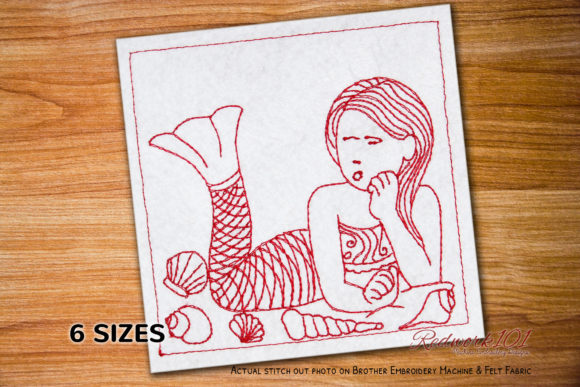
Mermaid Thinking Lineart: A Craft Fair Review
As I prepare my booth inventory for the upcoming weekend craft fair, I am constantly evaluating which digital assets will translate best into physical sales. This week, my focus is on the Mermaid Thinking Lineart machine embroidery design. When curating a collection for handmade markets, we must look beyond the screen and visualize the finished product in a customer's hands. This specific design offers a unique blend of whimsy and minimalism that appeals to modern buyers, but it requires strategic application to maximize its commercial potential. As an experienced designer, I have analyzed this file through the lens of production efficiency, visual impact, and marketability for fellow Etsy sellers and boutique makers.
First Impressions and Market Positioning
The immediate appeal of Mermaid Thinking Lineart lies in its stylistic versatility. Unlike heavy, dense fill designs that can feel stiff or overly traditional, this lineart aesthetic feels modern, soft, and approachable. It strikes a balance between cute and elegant, making it suitable for a wide demographic ranging from young adults to parents shopping for nursery decor. While categorized under Marine Mammals, the "thinking" pose adds a narrative element that elevates it above generic ocean clip art. It suggests contemplation, creativity, and calmness.
For a craft fair table display, this design reads as premium rather than mass-produced. The clean lines allow the fabric texture to breathe, which is a critical selling point for customers seeking high-quality handmade products. In a sea of saturated colors and complex patterns at a market stall, the negative space in this lineart design acts as a visual palate cleanser, drawing the eye toward its simplicity. It feels intentional and artistic, which justifies a higher price point for finished goods like embroidered patches or linen pouches.
Best Applications for Booth Inventory
Determining where to place Mermaid Thinking Lineart is crucial for conversion. Based on current market trends and practical embroidery constraints, here is how I evaluate this design across different product categories:
- Tote Bag Design: This is arguably the strongest application. Canvas tote bags are staple craft fair items. The lineart style prevents the bag from becoming heavy or puckered, maintaining the drape of the canvas. It works beautifully as a centered focal point or a smaller pocket accent.
- Tea Towel Embroidery: Flour sack towels and waffle weave textiles pair exceptionally well with single-needle aesthetics. The "thinking" mermaid adds a touch of personality to kitchen linens without overwhelming the functional nature of the item. These make excellent impulse-buy gifts.
- Embroidered Patches: Because lineart relies on precision rather than coverage, this design digitizes cleanly into patches. The lack of dense fills means faster production times and less thread consumption, improving profit margins for small shop products.
- Apron Embroidery: For vendor aprons or retail items, this design serves as a sophisticated branding element. It is subtle enough to be professional yet distinct enough to spark conversation with customers at the booth.
I would advise caution when applying this to curved cap surfaces. Lineart requires absolute stability; even minor shifting on a structured hat can distort the delicate lines. Stick to flat, stable substrates for your initial batch production to ensure consistent quality.
Navigating Optional Elements and Customization
A significant advantage of this specific embroidery file is the flexibility regarding the box stitch element. The product description notes that the box stitch shown is optional and that the outer box color often differs unless integral to the design. From a production standpoint, this is a massive benefit for batch manufacturing.
When preparing for a market, I recommend creating two distinct product lines using this single digital embroidery file. First, produce a set of items featuring the full design with the box frame for customers who prefer a structured, graphic look. Second, skip the box color entirely for a standalone mermaid motif. This variation allows you to offer a minimalist option that may appeal to buyers who find frames too restrictive. Furthermore, skipping the outer box reduces stitch count and production time, allowing you to stock more inventory before the event. Always verify if the box is a separate object in your software so you can delete or hide it without affecting the main mermaid artwork.
Production Realities and Technical Considerations
While Mermaid Thinking Lineart appears simple, lineart demands technical precision. There is no dense fill to hide registration errors or tension issues. Before listing any finished product or bringing it to a fair, you must address several practical factors:
Stabilizer and Fabric Texture
Because this design consists primarily of running stitches and satin outlines, stabilization is non-negotiable. On textured towels or nubby linen, use a water-soluble topping to prevent stitches from sinking into the fabric weave. If the lines get lost in the texture, the design loses its value. For stretchy fabrics like jersey knits used in baby items, ensure you are using adequate cut-away stabilizer to prevent distortion during the stitching process.
Thread Colors and Contrast
Lineart lives or dies by contrast. Test your thread colors against your chosen fabric under natural lighting, similar to what you will experience at an outdoor craft fair. Dark thread on dark fabric will disappear in photos and in person. I recommend high-contrast pairings, such as navy thread on oatmeal linen or coral thread on white cotton. Create at least one real mockup to photograph for your Etsy listings; printable mockups often fail to capture the tactile reality of lineart embroidery.
Sizing and Clarity
Be mindful of resizing this machine embroidery design. Reducing lineart below its intended size can cause stitches to overlap or become too thin to register visually. Conversely, enlarging it significantly may result in long, loose jumps that snag easily. Confirm the optimal hoop size for your specific machine and stick to the designer’s recommended dimensions to maintain the integrity of the "thinking" details, particularly in the face and tail fins.
Commercial Viability and Brand Consistency
For creative entrepreneurs, consistency builds brand recognition. Mermaid Thinking Lineart has a cohesive style that pairs well with other botanical, celestial, or minimalist marine designs. When building a booth display, group these items together to create a curated collection rather than a scattered assortment. This visual merchandising strategy encourages multi-item purchases.
From a business perspective, always confirm commercial licensing terms before selling finished products. Ensure your license covers both physical sales at craft fairs and digital listings on platforms like Etsy. Additionally, because the box element is optional, you have the creative freedom to adapt the design for seasonal variations—perhaps changing the thread color to match holiday palettes while keeping the core mermaid asset constant. This repeatability is key to sustaining a profitable embroidery business.
Final Designer Verdict
After reviewing the aesthetic qualities, production requirements, and sales potential, I rate Mermaid Thinking Lineart as a high-value asset for craft fair vendors and online sellers. Its strength lies in its adaptability and modern appeal. It avoids the pitfalls of overly dense embroidery while offering enough character to stand out in a crowded marketplace. By leveraging the optional box feature, prioritizing high-contrast materials, and ensuring technical stability, this design can anchor a successful product line. Whether you are stitching tea towels, tote bags, or patches, this design offers the perfect intersection of artistic charm and commercial practicality for the handmade entrepreneur.