Spruce Tree Redwork: A Boutique Sweatshirt Review
As an embroidery designer constantly curating collections for small boutique brands, I approach every new machine embroidery design with a critical eye. It is not enough for a digitized file to simply stitch out correctly on a test square; it must translate into a sellable, wearable garment that resonates with customers. When evaluating the Spruce Tree Redwork for an upcoming limited sweatshirt drop, my primary focus is on versatility, commercial viability, and that elusive premium feel that separates high-end handmade apparel from generic craft fair items. This review breaks down exactly how this forest-themed motif performs in a real-world production environment.
First Impressions and Design Personality
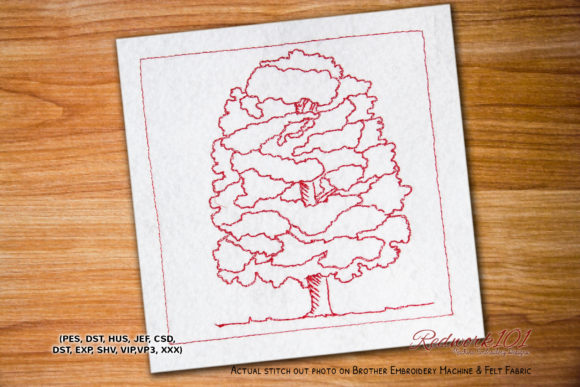
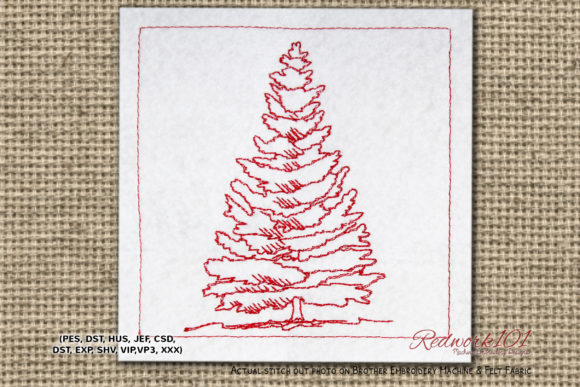
The initial impression of Spruce Tree Redwork is one of refined rustic charm. Redwork, traditionally characterized by simple outline stitching in red thread, has evolved into a staple for modern custom apparel. This specific design captures the essence of the Forest category without feeling overly literal or costume-like. The lines are clean, suggesting a digitizing style that prioritizes flow over excessive density. For a boutique brand, this minimalism is key. It reads as intentional and artistic rather than cluttered.
The mood strikes a balance between cozy seasonal apparel and year-round nature appreciation. It does not scream "holiday," which extends the shelf life of the inventory. Instead, it feels like a heritage piece, something a customer might buy because it aligns with their love for the outdoors and sustainable fashion. The personality is decidedly feminine yet grounded, making it suitable for both unisex oversized hoodies and more fitted, feminine crewnecks. As a designer, I appreciate that the artwork allows the fabric texture to breathe, which is essential when working with heavy fleece or French terry.
Evaluating the Optional Box Stitch Feature
A crucial technical note for fellow embroiderers and Etsy sellers involves the framing element. The product description specifies that the box stitch shown is optional and often appears in a different color unless integral to the design. From a production standpoint, this modularity is a massive asset. For a neutral sand or oatmeal sweatshirt, utilizing the box stitch in a contrasting tone can create a structured, badge-like aesthetic that elevates the perceived value. However, for darker fabrics like charcoal or navy, skipping the outer box entirely often yields a more sophisticated result.
When testing this embroidery file, I recommend running two samples: one with the frame and one without. On lighter pastels, the box provides necessary visual weight to anchor the design. On busy or dark textures, removing it prevents the design from looking boxed-in or dated. This flexibility allows a single digital asset to serve multiple niches within your shop. Always verify your software settings to skip the color stop for the box if you choose to omit it, ensuring a seamless production run without unnecessary trims or jumps.
Placement Strategy for Commercial Apparel
Where you place Spruce Tree Redwork dictates its market positioning. For a premium sweatshirt embroidery project, left-chest placement remains the gold standard for boutique merchandise. It offers high visibility in lifestyle photography and social media flat lays while remaining subtle enough for daily wear. The scale of redwork designs typically suits this area perfectly, avoiding the heaviness that large fill stitches can impose on lightweight knits.
However, do not overlook alternative placements for differentiation. A centered back design on an oversized hoodie creates a statement piece that photographs beautifully for Instagram reels and TikTok content. Alternatively, consider sleeve accents near the cuff for a unique detail that signals high-quality craftsmanship. These secondary placements can turn a basic blank into a signature item. When creating printable mockups for listings, ensure you showcase these variations to help customers visualize the finished product beyond the standard front view.
Technical Considerations for Knit Fabrics
Redwork is deceptively simple. Because it relies on line work rather than coverage, any tension issues or stabilization failures are immediately visible. When preparing this design for commercial use on sweatshirts, stabilizer choice is non-negotiable. Fleece and terry cloth have significant stretch and pile; using only tear-away stabilizer will likely result in puckering or lost stitches. I strongly advise using a cut-away stabilizer for permanent support, potentially paired with a water-soluble topping to prevent the stitches from sinking into the fabric nap.
Stitch density and thread contrast also require attention. While redwork implies red thread, modern boutiques often utilize tonal stitching (e.g., cream thread on ivory fabric) for a luxury look. Ensure your thread colors have sufficient contrast against the chosen blank so the design remains legible at smaller sizes. Before committing to a full production run, check the hoop size requirements and stitch count in your file manager. Testing on the exact garment weight you intend to sell is vital, as 10oz fleece behaves differently than 13oz heavyweight cotton. Durability testing through wash cycles ensures the design maintains its integrity, protecting your brand reputation.
Impact on Brand Value and Customer Trust
In the saturated market of handmade goods, presentation is everything. Using a well-digitized design like Spruce Tree Redwork signals professionalism. Customers can distinguish between a hastily applied patch and thoughtfully integrated embroidery. The clean lines and appropriate scaling contribute to a cohesive brand identity that fosters buyer trust. When your finished product looks crisp in person just as it does in digital previews, return rates decrease and repeat business increases.
Furthermore, offering customizable options—such as choosing whether to include the box stitch or selecting thread colors—engages customers in the creative process. This interaction transforms a simple transaction into a personalized experience. For small shop product launches, highlighting the intentional design choices in your listing descriptions adds narrative depth. Explain why you chose this specific forest motif or how the redwork technique honors textile traditions. Storytelling combined with technical excellence creates a compelling value proposition that justifies premium pricing.
Final Verdict for Boutique Production
Spruce Tree Redwork earns its place in a professional embroidery lineup through its adaptability and timeless appeal. It avoids the pitfalls of overly complex digitizing that can ruin soft garments, instead offering a light, breathable aesthetic perfect for apparel. Whether you are launching a seasonal collection or expanding your evergreen catalog, this design provides a solid foundation for creative exploration. Just remember to validate all technical specifications, test your stabilizer combinations, and leverage the optional elements to tailor the design to your specific audience. With proper execution, this motif can become a cornerstone of your embroidered apparel offerings, bridging the gap between digital art and tangible, cherished clothing.