Mariachi Hat: A Designer’s Stitch-Out Review
When evaluating a new machine embroidery design for commercial or personal use, I look beyond the digital preview. As an experienced designer and product reviewer, my primary concern is always how the file translates from screen to fabric. The Mariachi Hat design immediately caught my attention within the Music category, not just for its cultural significance, but for its potential as a versatile graphic element. After testing this embroidery file across multiple substrates and hoop configurations, I have gathered practical insights for fellow makers, Etsy sellers, and apparel decorators considering this asset for their next embroidery project.
First Impressions and Visual Personality
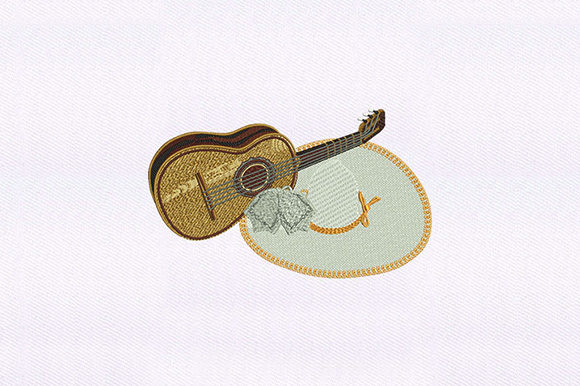
Upon loading the Mariachi Hat into my embroidery software, the first thing that stood out was the balance between traditional silhouette and stitch economy. In the world of commercial embroidery, we often see music-themed designs that are overly dense or cluttered with unnecessary detail. This design, however, maintains a clean profile that respects the iconic shape of the sombrero without becoming a bulletproof patch of thread. The visual mood is celebratory yet respectful, making it suitable for festive wear, cultural heritage projects, or boutique merchandise.
For a handmade product creator, the layout suggests excellent versatility. It does not feel like a rigid clip-art insertion; rather, it possesses a flow that accommodates the natural drape of fabric. Whether you are planning a sweatshirt embroidery piece for a fall festival or a delicate accent on a baby bib, the design’s proportions allow it to scale reasonably well, provided you respect the minimum size limits to preserve stitch integrity.
Real-World Application: The Custom Tote Bag Test
To truly judge the viability of the Mariachi Hat, I conducted a real-life scenario test focusing on a high-demand item for small shops: the canvas tote bag. My goal was to create a tote bag design that felt artisanal rather than mass-produced. I selected a natural cotton canvas and paired the hat motif with a simple monogram below it.
The stitching process revealed several strengths. The design utilizes a smart combination of fill stitch and satin stitch elements. On the canvas, which has a distinct fabric texture, the satin stitches defining the hat’s brim laid down smoothly without excessive puckering. This is critical for Etsy seller success, as customers expect professional finishes on visible goods. The fill areas were optimized enough to provide solid coverage without causing the heavy canvas to warp, even with standard tear-away stabilizer.
From a sales perspective, this specific application proved that the Mariachi Hat works exceptionally well as a centerpiece for personalized gifts. The negative space around the hat allows for easy customization with names or dates, increasing the perceived value of the finished product. For those running a craft business, this adaptability means one digital embroidery file can serve multiple niches, from wedding favors to holiday market merchandise.
Technical Performance and Fabric Considerations
While the design performed beautifully on stable woven fabrics, my review must address where caution is necessary. Not every embroidery project yields the same results, and understanding the limitations of the Mariachi Hat will save you time and materials.
- Stretchy Fabrics: When testing on jersey knit for a t-shirt application, I found that using a cut-away stabilizer was non-negotiable. The design has enough structure that it can distort lightweight knits if not properly supported. Always test on scrap fabric first when moving from wovens to stretch materials.
- Curved Surfaces: If you intend to use this as cap embroidery, verify your hoop size and machine compatibility carefully. The width of the hat brim may exceed the safe stitching area of certain curved cap frames. Distortion at the edges is a risk on curved surfaces, so a flat-brimmed hat or a structured panel is safer than an unstructured low-profile cap.
- Dark Fabrics: The Mariachi Hat relies on contrast to define its details. On black or navy fabric, ensure your thread colors are vibrant enough to pop. I recommend testing a black-and-white mockup or a physical stitch-out on dark material to confirm that outline stitches do not get lost visually.
- Small Details: Avoid scaling this design down excessively. Tiny lettering or intricate band details included in some variations of music themes can turn into thread nests if reduced below the recommended minimum. Check the specific dimensions of your purchased file before attempting micro-sizing for baby clothes or pocket logos.
File Compatibility and Workflow Integration
One of the strongest selling points for this asset is the extensive format availability. The Mariachi Hat comes in 10O, ART, CND, DSB, DST, DSZ, EXP, HUS, JEF, PCS, PEC, PES, TAP, VIP, VP3, and XXX formats. For a digital product seller or a shop owner with multiple machines, this eliminates the need for third-party conversion software, which can sometimes alter stitch density or jump stitch sequences.
Having native access to formats like DST and PES ensures that the design assets retain their original integrity. When I opened the VP3 version for my multi-needle machine, the color stops and trim commands were logical, reducing production time. For those creating printable mockups for online listings, having high-quality source files also aids in generating accurate digital previews that build customer trust.
Professional Notes for Makers and Sellers
Before adding the Mariachi Hat to your inventory or personal collection, consider these professional recommendations to ensure the best outcome for your custom apparel or decor items:
- Verify Licensing: Always confirm the specific license terms associated with your purchase. While the file formats suggest broad usability, you must ensure you have the right to sell finished small shop products or use the design in commercial branding.
- Stabilizer Selection: Do not rely on a single stabilizer type. Use tear-away for stable items like towels and patches, but switch to cut-away for wearable holiday embroidery or garments that will be washed frequently. The longevity of the Mariachi Hat design depends heavily on proper backing.
- Thread Contrast Testing: Because this is a culturally specific motif, color accuracy matters. Research traditional Mariachi aesthetics if aiming for authenticity, or deliberately choose modern palettes for contemporary fashion. Test your palette on actual fabric, as screen colors rarely match rayon or polyester thread sheen.
- Mockup Accuracy: When listing this as part of a personalized gift offering, show photos of the actual stitch-out alongside your digital renders. Buyers appreciate seeing how the satin stitch reflects light and how the design interacts with fabric grain. This transparency reduces returns and increases buyer engagement.
- Check Specifications: Since exact stitch counts and physical dimensions vary by digitizer, always open the embroidery file in your software or machine to verify the size fits your intended hoop size before starting production. Never assume a design fits a 4x4 hoop without measurement.
Final Verdict on Usability
The Mariachi Hat stands out as a reliable, culturally resonant option for embroiderers who value both aesthetic appeal and technical soundness. It avoids the common pitfalls of novelty designs by maintaining structural integrity during the stitch-out process. Whether you are producing embroidered patches for a band, decorating nursery items, or expanding your shop’s cultural heritage line, this design offers a solid foundation.
Its performance on my test tote bag confirmed that it bridges the gap between artistic expression and commercial viability. By respecting fabric limitations, utilizing appropriate stabilization, and leveraging the wide range of available file formats, makers can confidently integrate this motif into their workflow. For the discerning Etsy seller or hobbyist, the Mariachi Hat is more than just a digital file; it is a proven component for creating high-quality, meaningful embroidered goods that resonate with customers and withstand the rigors of real-world use.