Purple Devil Puff Design: A Stitcher’s Review
As an embroidery designer who regularly sources assets for both personal creative projects and commercial client orders, I approach every new download with a critical eye. When browsing Creative Fabrica embroidery collections for seasonal inventory, the Purple Devil Puff Design immediately caught my attention. It is not merely another generic Halloween graphic; it possesses a specific tactile quality that suggests dimension and playfulness. For those of us running Etsy shops or fulfilling custom apparel requests, finding a machine embroidery design that balances visual impact with stitch-out reliability is paramount. This review evaluates the Purple Devil Puff Design from the perspective of a professional digitizer and business owner, focusing on its real-world application for handmade products and commercial embroidery ventures.
First Impressions and Visual Character
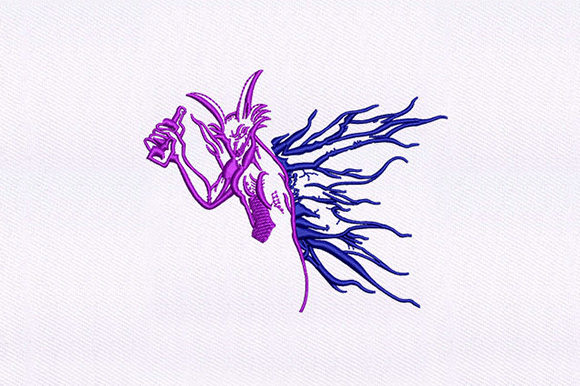
The initial appeal of the Purple Devil Puff Design lies in its implied texture. Unlike flat fill stitch designs that can sometimes look stiff on fabric, this design hints at a raised, three-dimensional aesthetic. The color palette is distinct, moving away from traditional orange and black into a vibrant purple that feels fresh yet appropriately spooky. For a digital embroidery file, the artwork translates well because the shapes appear optimized for thread rather than just being a vector trace. The "puff" element suggests either specialized puff foam techniques or dense satin stitch columns designed to mimic volume. This distinction is crucial for designers because it dictates how we market the finished product. It reads as premium and tactile, which instantly elevates the perceived value of any item it adorns, whether that is a nursery pillow or a boutique sweatshirt.
Performance on Apparel and Accessories
In testing scenarios for custom apparel, specifically sweatshirt embroidery and tote bag designs, the Purple Devil Puff Design demonstrates strong versatility. Sweatshirts, particularly those made of cotton-polyester fleece blends, provide an excellent canvas for this type of textured work. The design’s density pairs well with the loft of fleece, allowing the stitches to sink slightly while maintaining their raised profile. For tote bags, which often feature heavier canvas or denim, the design holds its shape without distorting the fabric structure, provided the correct stabilizer is used.
For smaller items like caps or embroidered patches, the design requires careful consideration of hoop size and curvature. Caps present unique challenges due to their structured fronts. If the Purple Devil Puff Design includes wide horizontal elements, they may need resizing or re-digitizing to accommodate the limited vertical stitching area of a standard cap frame. However, if the design is compact, it serves as an excellent centerpiece for seasonal headwear. As an embroidered patch, the design’s bold outlines and filled areas would translate beautifully, creating a standalone accessory that customers can iron onto jackets or backpacks, expanding your product line without requiring additional garment inventory.
Technical Considerations for Stitch Quality
Professional results depend entirely on understanding the technical demands of the embroidery file. While the Purple Devil Puff Design comes in a comprehensive array of formats including PES, DST, JEF, VP3, and XXX, you must verify the specific stitch count and dimensions within your software before production. Puff-style designs typically require higher stitch density to cover foam or create the illusion of depth. This density increases needle penetration, which can lead to fabric perforation on lightweight materials.
I strongly advise against using this design on delicate silks or loosely woven linens without significant modification. Instead, reserve it for stable substrates. When working with stretchy fabrics like jersey knits for baby items or t-shirts, a cut-away stabilizer is non-negotiable to prevent puckering around the dense stitch areas. Always perform a test stitch-out on scrap fabric that matches your final project weight. Check specifically for registration issues where outline running stitches meet fill stitch areas. In puff designs, misalignment here is glaring. Furthermore, review your thread colors against the fabric choice; purple thread on dark navy fabric may lose contrast, whereas purple on white or grey allows the dimensional details to pop.
Commercial Viability and Product Value
For Etsy sellers and small business owners, the Purple Devil Puff Design offers significant commercial potential beyond simple aesthetics. Seasonal merchandise often suffers from looking cheap or mass-produced. By utilizing a design with inherent texture and a unique color story, you differentiate your handmade product from big-box store alternatives. This design is particularly well-suited for personalized gifts where the customer seeks something whimsical yet high-quality. Imagine a toddler’s Halloween outfit or a customized kitchen towel for a hostess gift; the "puff" aspect adds a sensory element that photographs exceptionally well.
High-quality product photography is essential for selling embroidery online. The dimensional nature of this design catches light differently than flat embroidery, creating shadows and highlights that emphasize craftsmanship in listing photos. When creating printable mockups for digital product sellers or pre-order campaigns, ensure the mockup accurately represents the textured finish so buyer expectations align with the physical reality. Trust is built when the received item matches the digital promise. Additionally, always confirm the licensing terms on the Creative Fabrica product page. Ensuring you have the right to sell finished physical products protects your business and maintains professional integrity.
Practical Workflow Checklist for Success
To integrate the Purple Devil Puff Design successfully into your production workflow, adhere to these practical steps:
- Verify File Compatibility: Confirm your machine reads the provided formats (ART, CND, DSB, DST, DSZ, EXP, HUS, JEF, PCS, PEC, PES, TAP, VIP, VP3, XXX) and check the design dimensions against your available hoop sizes.
- Stabilizer Selection: Match stabilizer weight to fabric type; use tear-away for stable woven fabrics and cut-away for knits or stretch materials to support dense stitch areas.
- Thread Contrast Testing: Stitch a sample on both light and dark fabrics to ensure the purple tones remain visible and the design details do not get lost.
- Needle Choice: Use a sharp needle for woven fabrics to pierce dense areas cleanly, or a ballpoint needle for knits to avoid cutting fibers during high-density stitching.
- Post-Stitch Finishing: Inspect the back of the design for excessive jump stitches or bobbin thread buildup, trimming carefully to ensure comfort against skin for wearable items.
- Licensing Compliance: Review the specific usage rights for this design asset to confirm eligibility for commercial sale of finished goods or printable mockups.
Elevating Seasonal Embroidery Projects
The Purple Devil Puff Design represents a valuable asset for embroiderers looking to expand their Halloween catalog with sophistication. It bridges the gap between cute and cool, making it appropriate for a wide demographic ranging from children’s wear to adult fashion. Its success in real-world applications hinges on respecting the technical requirements of dimensional embroidery. By treating this design with the same rigor as any complex applique design or satin stitch project, you ensure that every tote bag, sweatshirt, or patch produced meets the high standards your customers expect. Ultimately, it is the combination of creative vision and technical precision that transforms a digital file into a cherished handmade product.